Understand your structure
Read the balance of your chart, recurring patterns, and the way different timing cycles interact with your underlying configuration.
I studied business before a difficult turning point led me through psychology, philosophy, Buddhism, Taoist thought, BaZi, the I Ching, and traditional Feng Shui.
Tengyunzi is my attempt to make that old body of knowledge clearer across cultures—without fear tactics, false certainty, or surrendering personal agency.
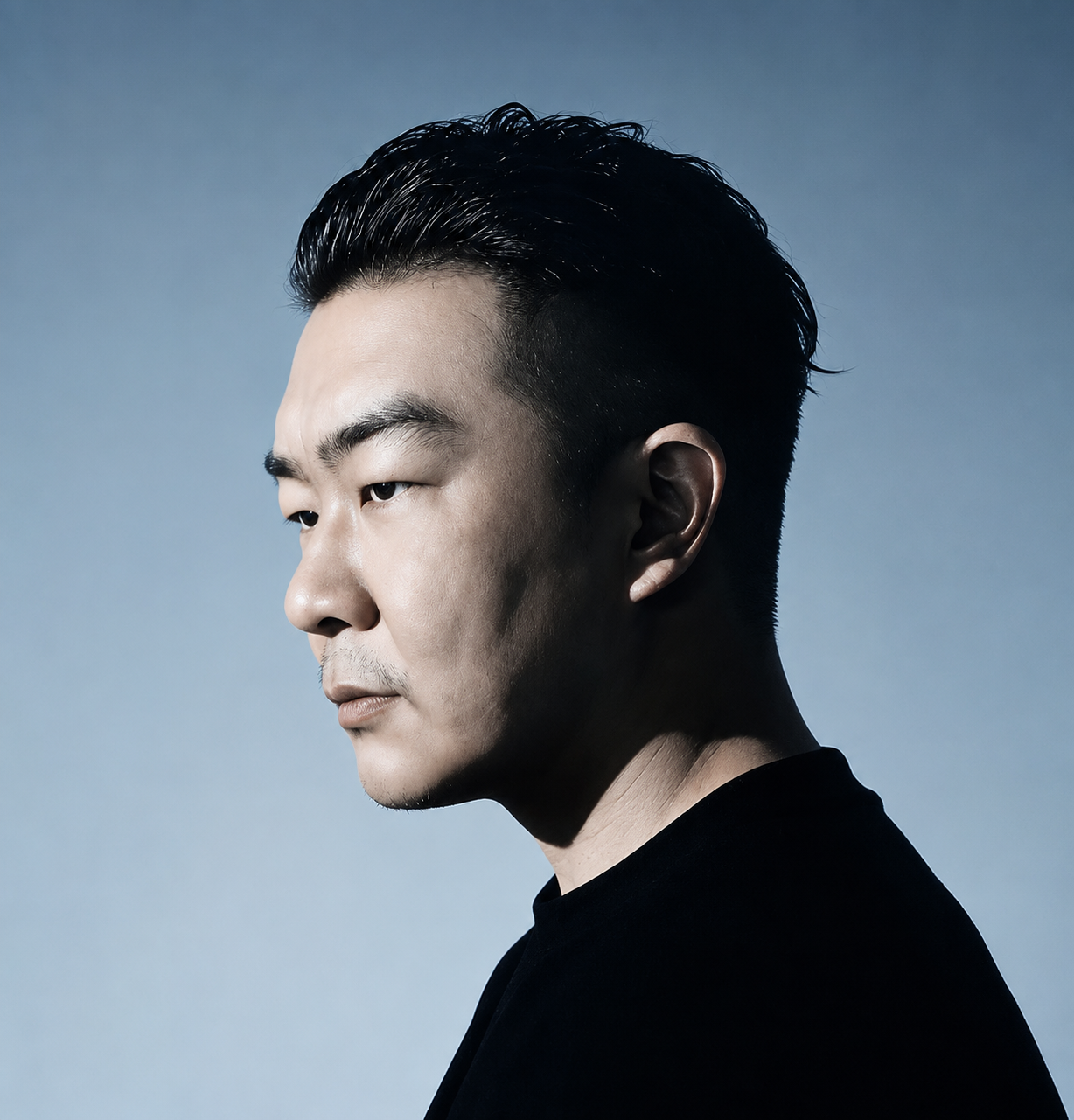
I earned a bachelor’s degree in business management and spent much of my early adult life believing that a good life could be built through rational planning, sustained effort, and better decisions.
Then, around the age of thirty-five, I went through one of the most difficult turning points of my life. Plans that once seemed dependable no longer worked. Assumptions I had trusted began to fall apart. The experience forced me to confront questions that practical education alone could not answer.
Why do some chapters of life seem to resist every effort, while others allow the same person to move forward with surprising ease? How much of our difficulty comes from our choices—and how much comes from not understanding the season of life we are moving through?
I began searching through psychology, philosophy, and Buddhist thought. Each gave me a different language for understanding emotion, suffering, identity, and choice. That search eventually led me to Taoist philosophy and, through the guidance of a Taoist teacher, to a systematic study of BaZi, the I Ching, and traditional Feng Shui.
I approached these subjects with curiosity, but also with skepticism. Rather than accepting conclusions on faith, I began with my own life. I reconstructed my Four Pillars, studied the relationships among the Five Elements and Ten Gods, and compared my Luck Pillars and annual cycles with the events that had actually taken place.
The difficult years I had experienced no longer appeared entirely random. With their permission, I later compared the framework against the lived experiences of people around me. Those comparisons changed the way I understood BaZi: not as a machine for declaring fate, but as a structured traditional model for examining tendencies, changing conditions, and cycles of time.
BaZi, the I Ching, and Feng Shui can offer a second perspective. They cannot guarantee an event, make a decision for you, or replace professional expertise.
Read the balance of your chart, recurring patterns, and the way different timing cycles interact with your underlying configuration.
Use a hexagram as a disciplined prompt for examining the present condition, the point of change, and the direction a choice may create.
Study how light, movement, order, orientation, and the use of space support or work against the way you want to live.
Classical Chinese systems carry substantial linguistic and cultural barriers. Modern tools can help organize and translate them, but only when the rules, limits, and human responsibility remain visible.
Heavenly Stems, Earthly Branches, Five Elements, Ten Gods, trigrams, hexagrams, and timing cycles should not be flattened into generic personality advice.
Technical terms become useful only when a new reader can understand the reasoning, evidence, practical boundary, and uncertainty behind them.
AI can organize calculations and explain unfamiliar concepts. It cannot replace study or judgment, and it should never be allowed to invent certainty.
Tengyunzi will not tell you that life has already been decided. The aim is to help you see more clearly before you choose.
Open your BaZi chart, examine your environment through Feng Shui, or use the I Ching Decision Companion to reflect on one changing situation.